All publications (619)

Fitness training can benefit dogs of all ages — but it should be adapted to meet the specific needs of the dog in front of us based on their health and their age. In this episode Kelly and I talk about how to adapt fitness training for puppies and seniors.
Dr. Sue Yanoff specializes in canine sports medicine. In this episode we discuss the importance of getting an accurate diagnosis for canine sports injuries and how to advocate for your dog if the right diagnosis isn't immediately clear.
Erin Lynes, Kim Palermo, Crystal Wing, and Denise Fenzi, all presenters from the upcoming one day conference on Building the Bond join me to talk about what goes into building a bond with a dog.
Teaching your dog a recall just makes sense — but what about those situations when running to you might be more dangerous than staying put? In this episode, Julie makes the case for why an emergency stop is just as important... and the added benefits it can offer for sports dogs.
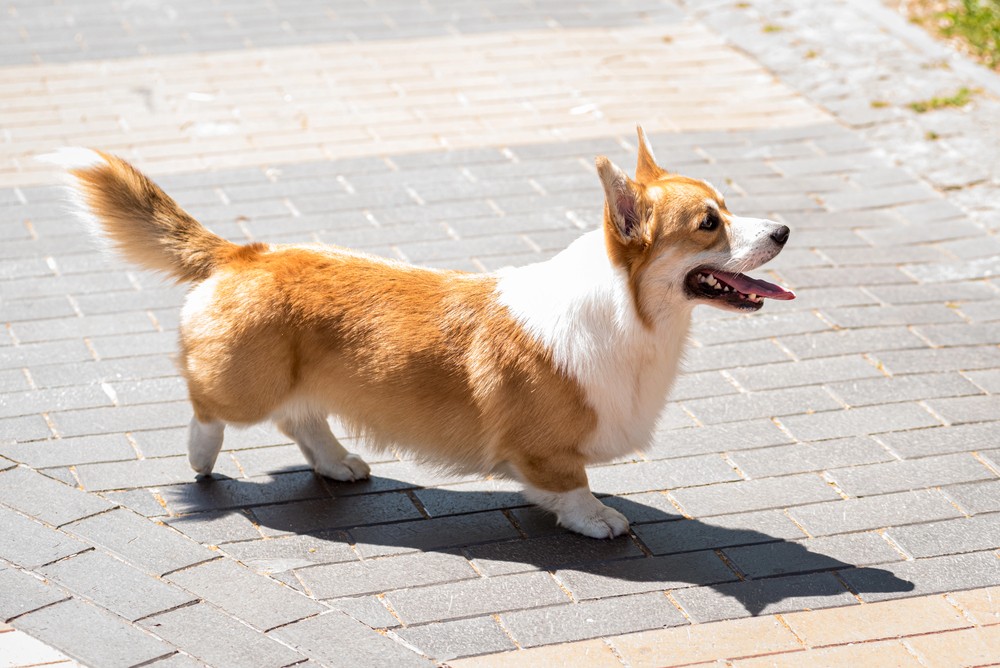

Backing is one of those skills that many teams avoid. It feels awkward and sticky. Sometimes it feels like your dog understands everything except this one thing. If that sounds familiar, you are not alone.
Backing is not just about getting your dog to move backward. It is about building powerful, controlled, confident movement that connects to pivots, heelwork, and Rally performance. Clean backing does not begin with stepping backward. It begins with rear-end awareness.
In this episode Erin and I dive deep into the benefits of thoughtful movement through puzzle games and movement puzzles. Whether you have a dog who moves without thinking (adolescent labrador?) or a dog who needs to build confidence in movement, Erin argues this type of training offers significant benefits for sports and life.
What's really going on when a dog competes in the breed ring? Ashley breaks down what judges look for, what we can do to help present our dogs in the best light, how training helps, and what the handler's job is, when competing in conformation.
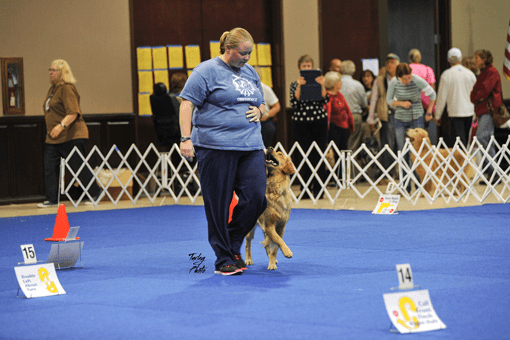
Rally foundations training usually becomes a hot topic when teams start feeling frustrated, stuck, or caught off guard by how hard rally suddenly feels. A lot of handlers start rally excited and confident, especially when early training goes well. Then something shifts. Courses feel tighter, dogs lose focus, heeling position drifts, and confidence dips.
Amy and Josefin have been working together on a new program designed to help us rethink every interaction we have with our dogs... and they're calling it "The Social Approach."
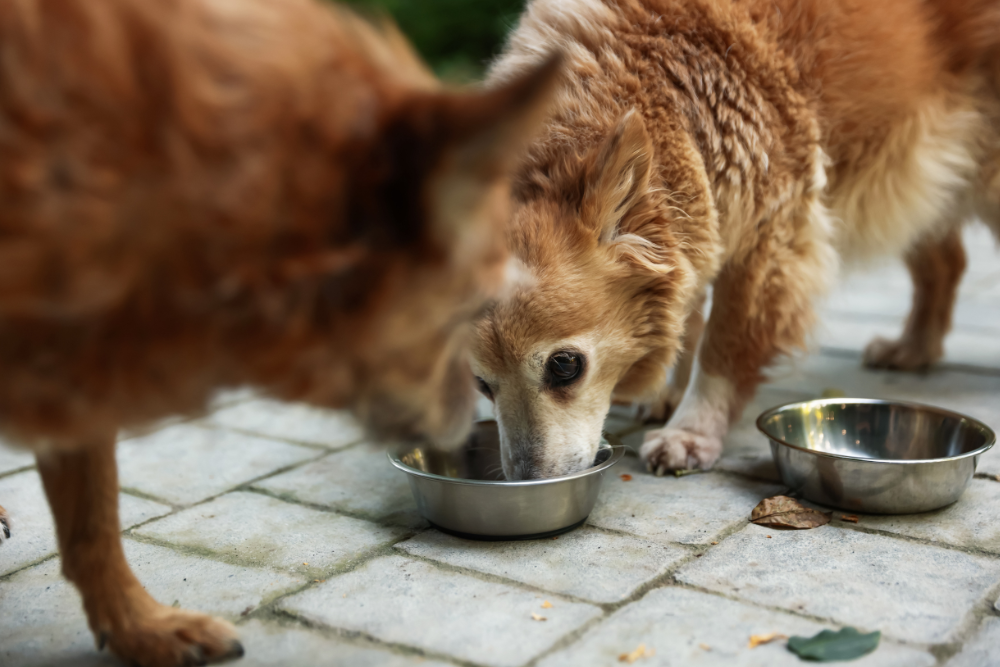

If your sport doesn't allow you to bring primary reinforcers onto the competition field with you, then at some point you need to work through removing those reinforcers from your training. This week Shade and I talk about the process of reducing reinforcement while minimizing frustration on the part of both dog and handler.

Canine frustration and FOMO are often misunderstood as attention-seeking behavior or "poor impulse control." Dogs bark, whine, pace, or struggle to wait their turn, and they're quickly labeled as impatient, dramatic, or just trying to get what they want. A common response is to ignore the behavior and hope it fades over time.
But what's often missed is that FOMO isn't just a behavior problem. It's an emotional experience. And when frustration is frequent, intense, or happens day after day, it can affect more than what you see on the outside. It can influence a dog's overall well-being, their ability to learn, and their quality of life.Have a differently motivated dog? This episode is for you! Sharon and I do a deep dive into what it means to train and compete with these dogs.
Kim shares what free work is and how she's incorporated it into all aspects of her training — resulting in wide ranging benefits, from better arousal levels to better conformation. She says it's essentially meditation for dogs... join us to hear how you and your dog might benefit!
Ever wondered how arousal impacts performance? Debated whether jackpots are worth using? In this episode I ask Petra Ford about both topics — and we do a deep dive on how to keep your dog at an optimal arousal level then chat about the trade offs that come with choosing to use jackpots in training.
With the Active Dogs: Fitness and Injury Prevention one day conference happening on Jan 10th, we took the time to sit down with 2 of the presenters to talk about what it means to keep our sports dogs in good health so they can play our games as long as possible.
Join me for a fascinating conversation with Denise on the ins and outs of engagement — from pre-engagement strategies to help young dogs to prepping for competition. We talk about the importance of acclimation, how the process differs for low drive vs. high drive dogs, and more!
Does your dog struggle to regulate their own arousal? Join me and Sara for a conversation on how to help them manage things, and then (ultimately) teach them to manage it themselves!
Join me as I interview Erin Lynes about building confidence in our canine partners — we talk about clear communication, natural levels of confidence (and how much you should expect to be able to move the needle), the "Mr. Rogers" technique, and more!
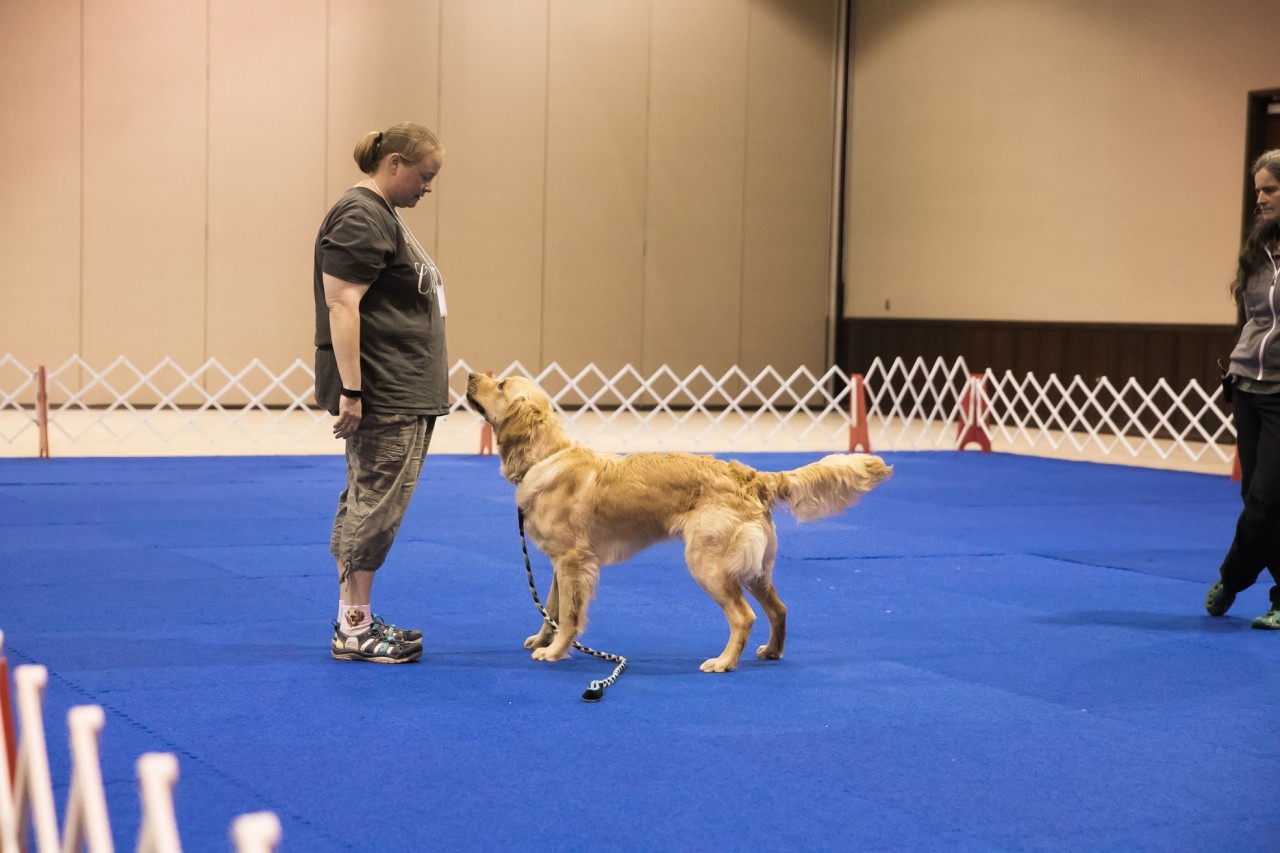
It's common to ask, "Does my dog understand the cue?" — especially when a dog performs a behavior perfectly at home but struggles anywhere else. Often, we assume our dogs have a deeper understanding of a behavior than they actually do. When a dog can't perform a cue to criteria, it usually means a building block in the training process was skipped, not that the dog is being stubborn or uncooperative.
Services we provide

Structured programs with step-by-step guidance to build strong skills.
50 000+
Happy customers
Why choose us?
We offer a variety of online training solutions designed to help you and your furry friend achieve success