Expert-Led Training: Proven Methods, Real Transformations
Transform your knowledge into action with proven techniques that deliver real results




Why choose us?
We offer a variety of online training solutions designed to help you and your furry friend achieve success

Explore our courses
.jpg)
OB630 Shaping a Fast and Furious Retrieve
Instructor: Shade Whitesel
Want a strong, motivated retrieve of the dumbell and a good foundation for utility exercises? Join me as I teach you how to create a firm hold, the end skill in the complex retrieve chain. Our basic goal is a dog who thinks that holding skill is the best part of the whole thing, and hurries to get there when we ask for a retrieve. Importantly, we'll also be covering how to create a dog that starts the action and demands the opportunity to hold the dumbell, a crucial part of achieving total "buy in" from your learner dog. Teaching a hold is hard and sometimes we as handlers need that information from our dogs.
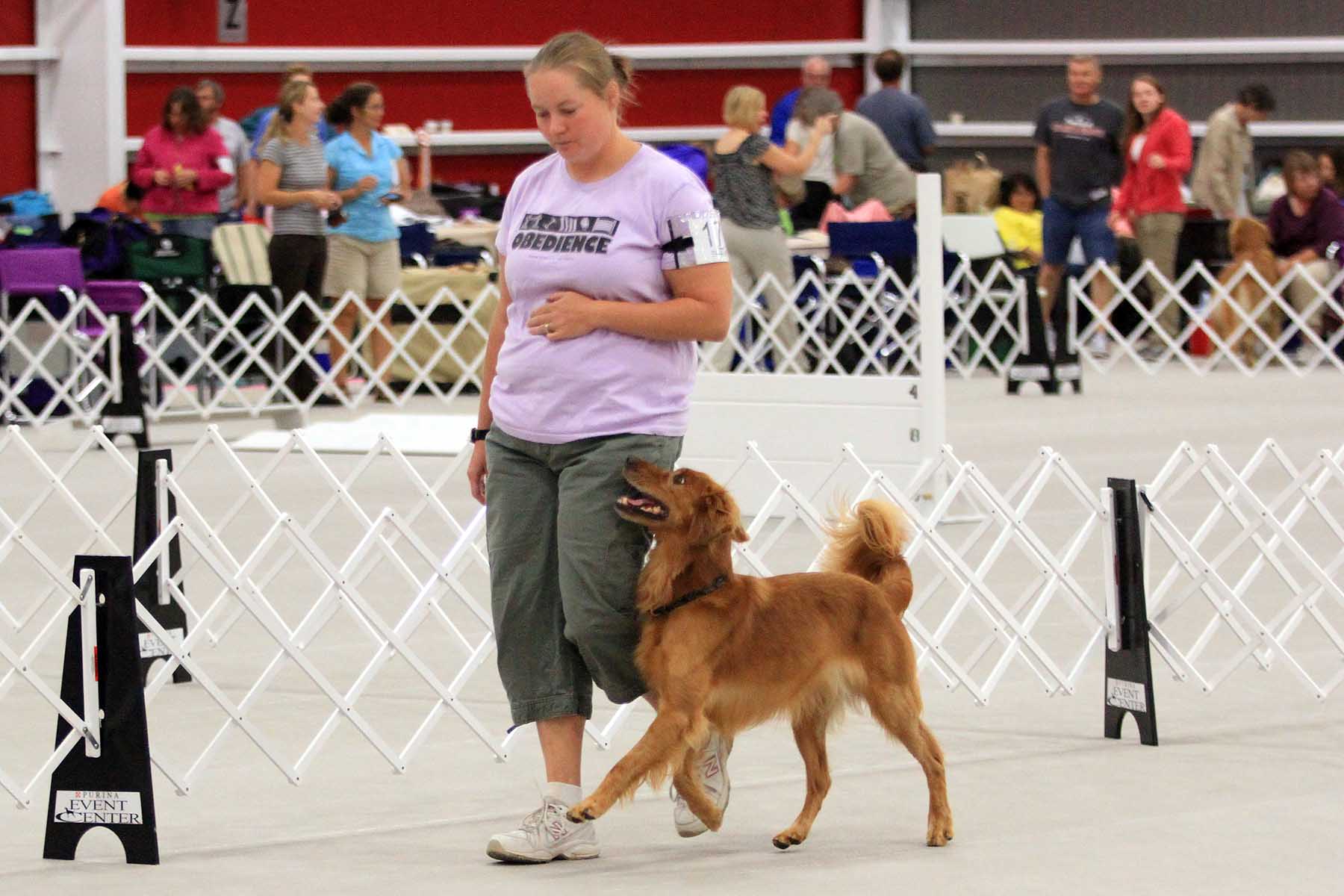
OB140 From Pivots to Practical Heeling
Instructor: Nicole Wiebusch
Build Beautiful Heeling Without the Stress
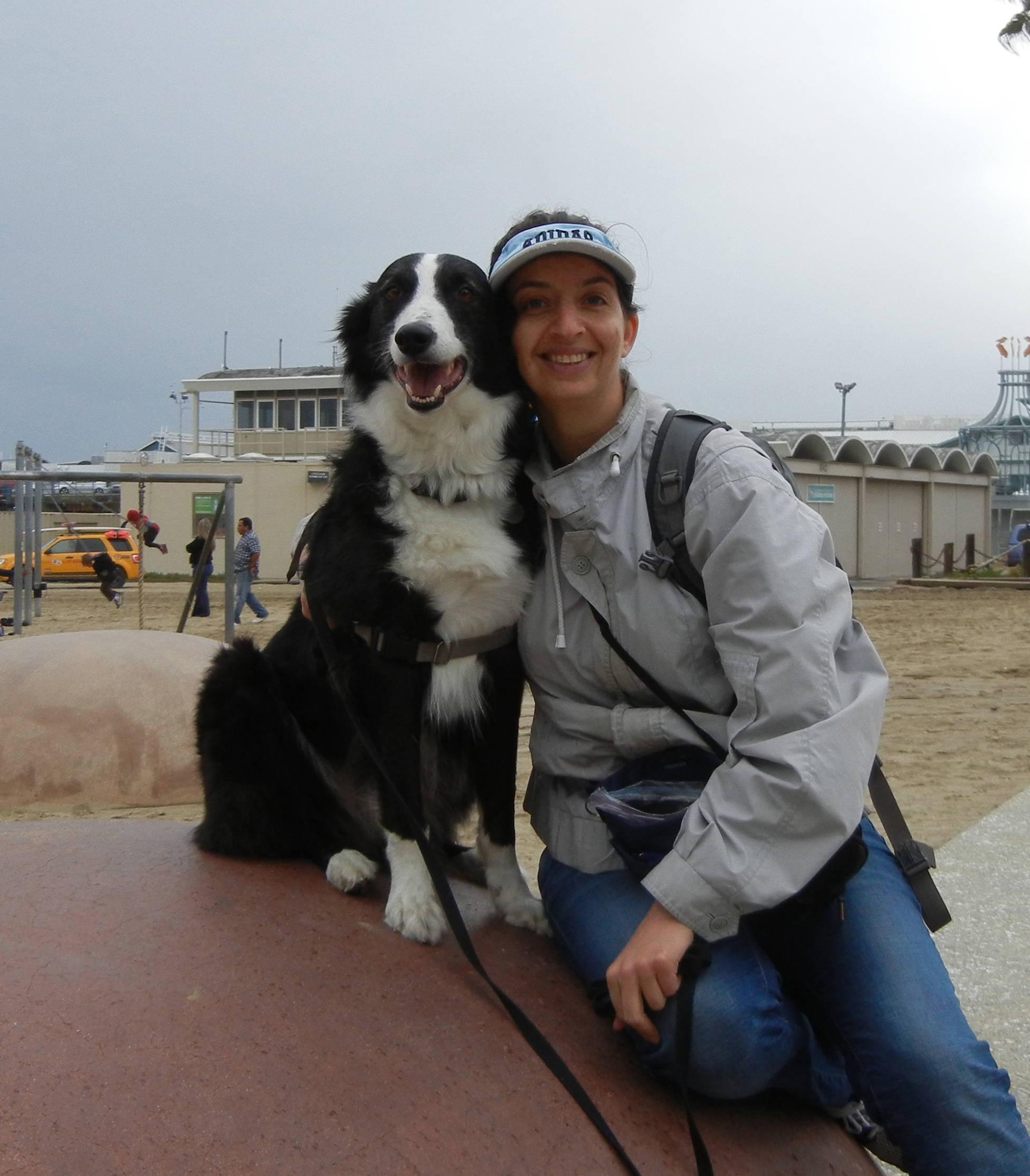
BH335 Dealing With Feelings: Applied Counterconditioning and Desensitization
Instructor: Irith Trietsch Bloom
Whether your dog is having problems in the ring or struggling in daily life, the key to addressing problematic behaviour can be understanding and improving the dog’s emotional state. That's where counterconditioning and desensitization (CC&DS) come in. CC&DS can help dogs get into a better “headspace” – and that can mean more engagement and focus when it really counts.
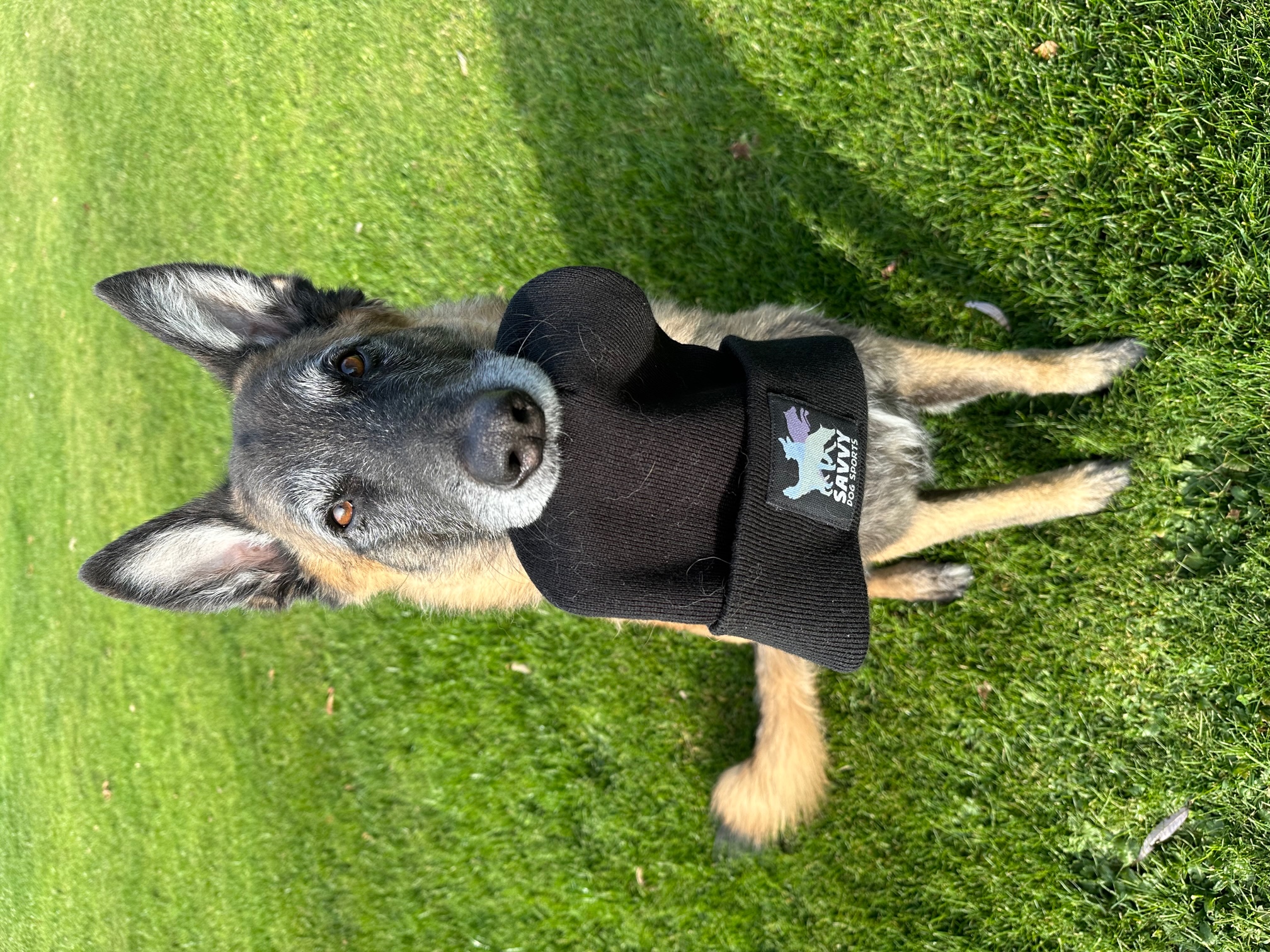
NW720 Lost Item Recovery
Instructor: Julie Symons
Want to expand your scent work skills and play new, engaging scent games with your dog? Lost Item Recovery is not only a fun sport but also a practical skill - and teaching it is one of my specialties!

FE130 Toys Class
Instructor: Shade Whitesel
Do you have a dog that chases the ball, yet won’t bring it back? Plays keep away with toys? Tugs but won’t let go? Bites you instead of the tug? Obsesses over toys, yet won’t listen to a single thing you say? Is your dog so high in drive for toys that they can’t think? Or do you just want to channel that prey drive right from the beginning and add the attitude your dog has for tugging or chasing toys to the obedience or agility ring?
Discover our webinars
Expert-led sessions packed with practical strategies, tips, and techniques to help you better understand your dog and strengthen your bond.
What we can offer you?
Discover our workshops
Interactive, hands-on workshops where you and your dog build practical skills, boost confidence, and tackle real-world challenges with guidance from professional trainers.
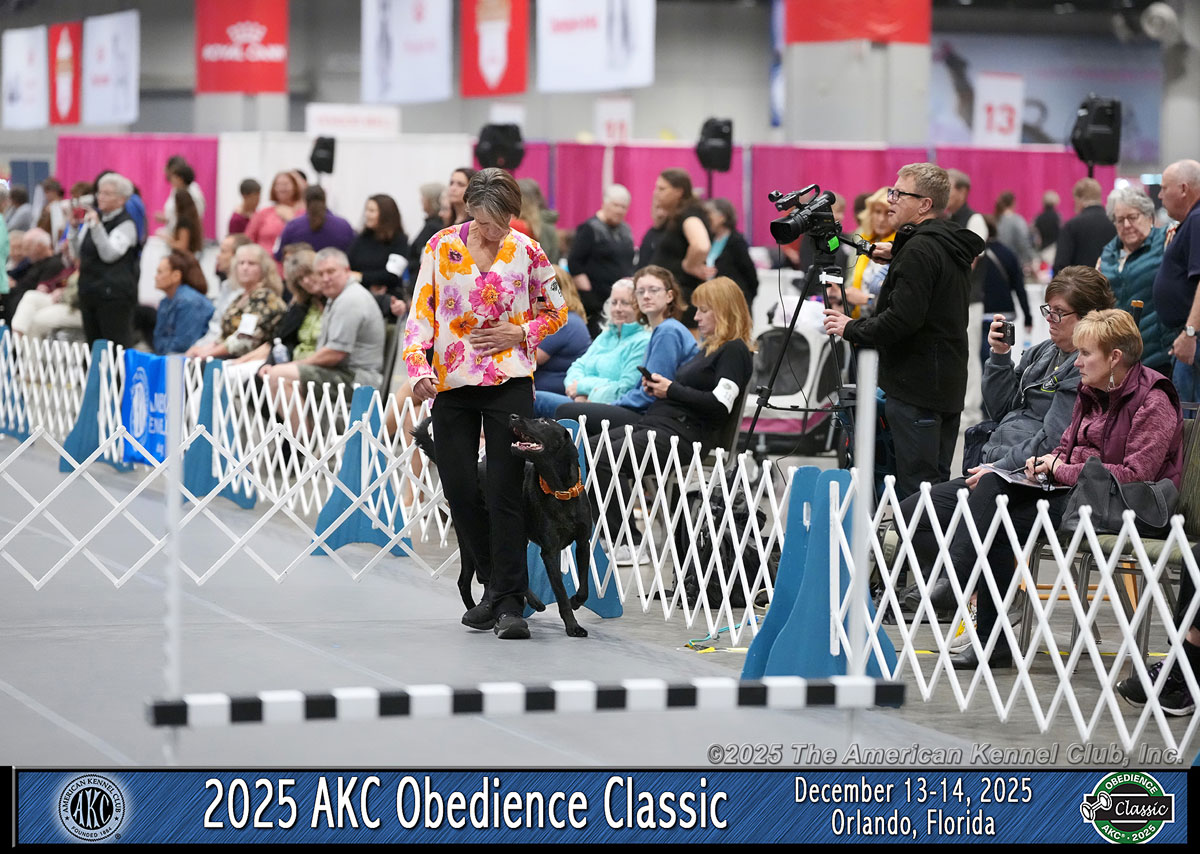
WW619 Positive Proofing for Obedience
Instructor: Petra Ford
Does your dog perform beautifully in training but fall apart when something unexpected happens in the ring? Have you ever wondered how to prepare your dog for distractions and challenges without creating stress or damaging confidence?
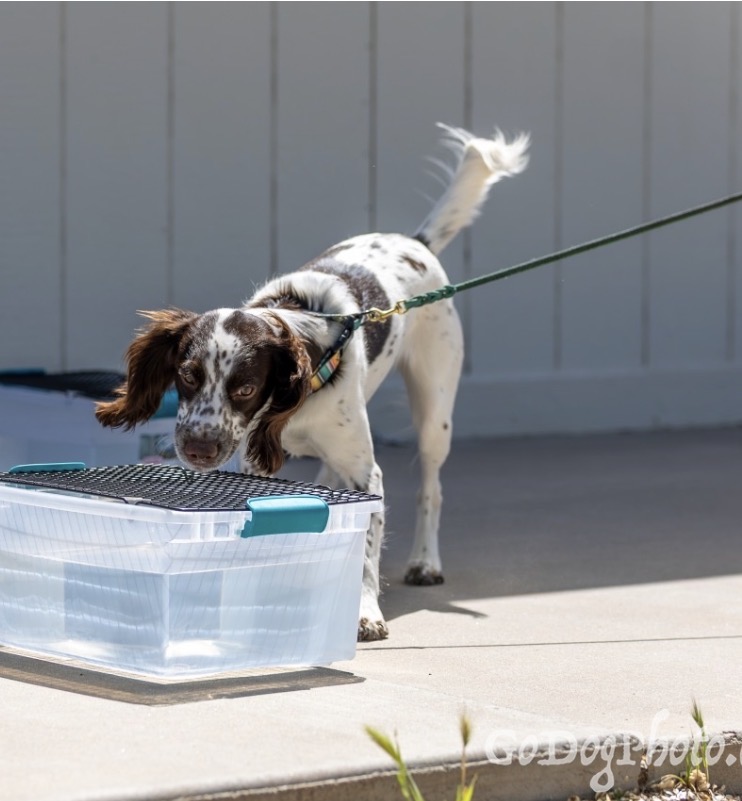
WW614 Sniffing with Small Dogs: Success in a Big Dog World
Instructor: Aleksandra Woodroffe
Do you struggle with your small dog to understand elevated hides, covering large search areas, or working efficiently through a search? Do you feel frustrated with search times and “unfair“ hide placement?
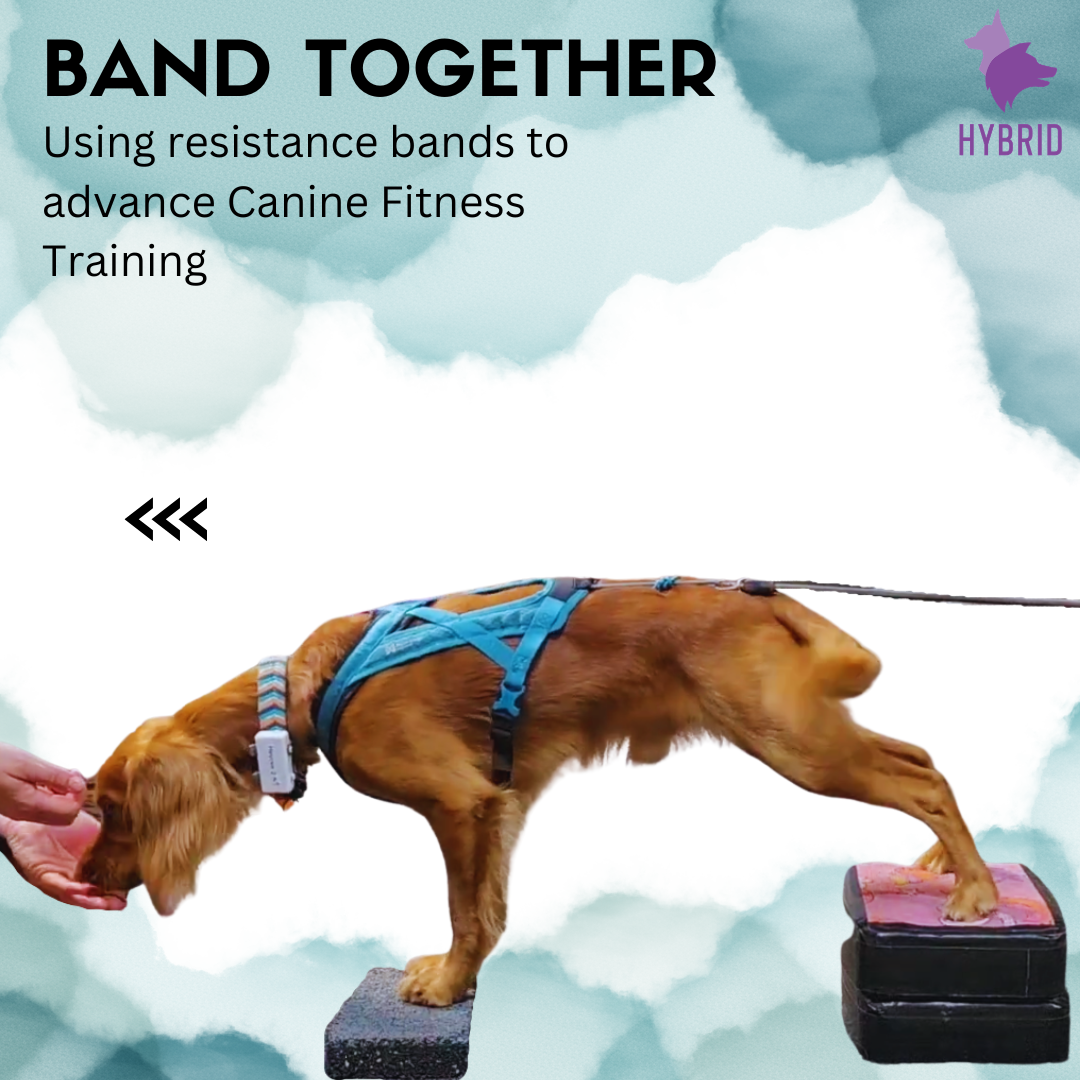
WW618 From Stability to Strength: Advanced Canine Fitness with Resistance Bands
Instructor: Kelly Daniel
Build strength, stability, posture, and confidence in your dog with this resistance band training workshop—designed to introduce safe, effective canine conditioning techniques you can use with your dog who already has some experience in canine fitness training.
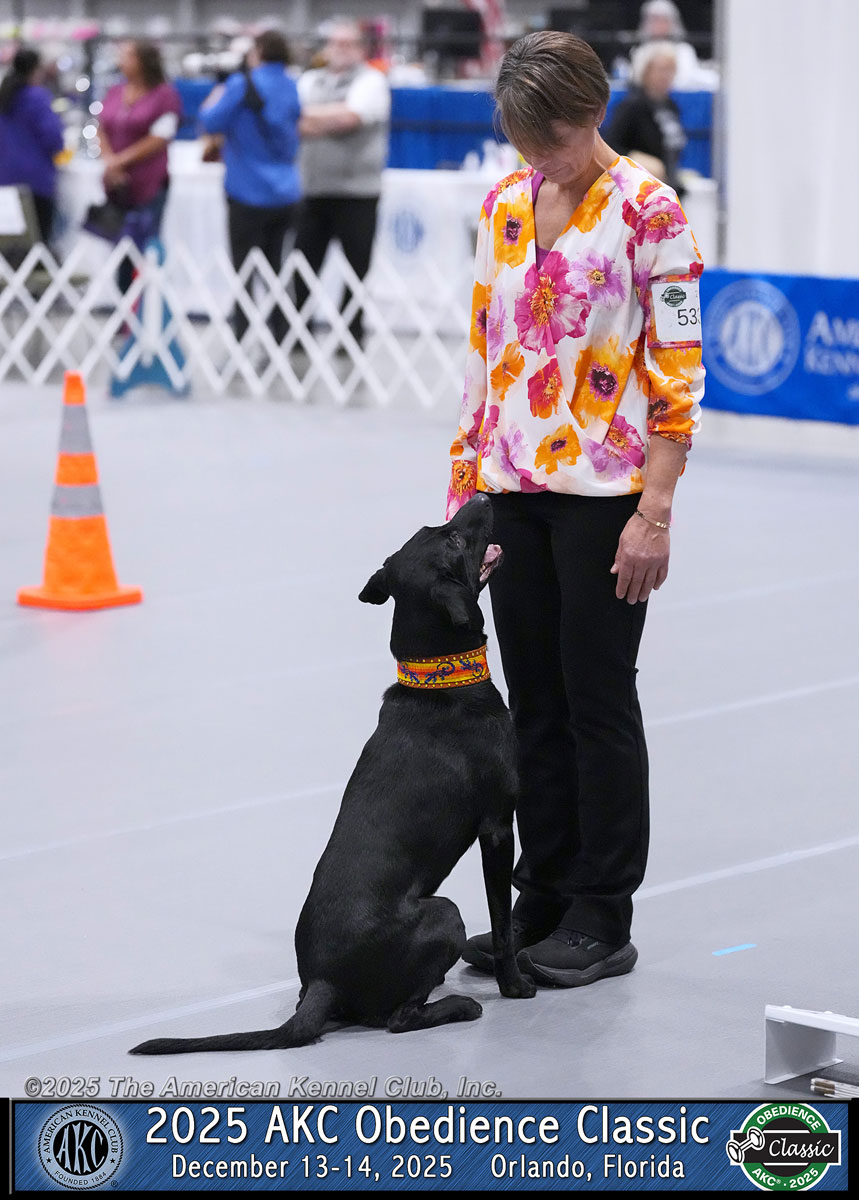
WW616 Games & Challenges for Confident Fronts
Instructor: Petra Ford
Does your dog have beautiful fronts at home, but in the ring they become slow, crooked, or hesitant? Have you found yourself repeating fronts or focusing on precision, only to watch your dog's enthusiasm fade?

Services we provide

50 000+
Happy customers
Our testimonials
Don't just take our word for it — see what our clients say about their experience working with us.
I have struggled to find a trainer in my area that would consistently work with my reactive dog. We often got dumped in the summer, classes cancelled, or was told that we weren't part of the trainers focus. I thought that I would never be able to improve my training beyond reading and watching DVDs. I thought that I would never get personal feedback. I felt discouraged and excluded from the dog training community. I thought that I would always have mediocre training and a mediocre relationship with my dog. A friend recommended FDSA and I enrolled in "It's All Tricks" with Deborah Jones at Gold level. In 6 weeks my dog has become more confident than I've ever seen her. She is more motivated and eager to learn. Furthermore, my confidence as a trainer has improved. I finally feel like I have a resource that I can rely on. At FDSA it doesn't matter that my dog is reactive, we can finally work on exercises that would have been completely inaccessible before. Deb has been absolutely wonderful to work with. She provides kind, encouraging and constructive feedback with meaningful critique. This experience has been the epitome of what I have always dreamt that training my dog would be. I cannot be thankful enough to have discovered FDSA. It has given my dog and I a second chance at having a successful, meaningful relationship. I cannot wait to enroll in more classes. I wasn't so certain that online classes would be REALLY useful - I am blown away by how much one can learn and implement through the online system - certainly makes it possible to participate in novel learning experiences that would not otherwise be available!
Read all testimonialsThis course gave me an arsenal of tools to use in the upcoming months. I don't know how the instructor stayed on top of all of our homework but she did and then some. You will get the most out of this if you are not afraid to post your failures and risk looking foolish.
Read all testimonialsI've taken a number of classes by a number of instructors at FDSA. I appreciate how well they overlap, and that the message is often the same despite who's teaching.The FDSA online site is so great! Not complicated; it has been easy to use. I am really impressed with Denise's mission to bring into her Academy absolutely top-notch instructors! Plus, I really love the 3-tier options for her students! With these options, the online courses are affordable for everyone that is interested in improving their dog training skills and building the best relationship with their dog(s) -- whether they do, or plan on doing dog performance sports, or just want to spend time with their dog and have a well-trained dog ... a dog that is a wonderful representative to the community at-large....all achieved with positive training methods! The depth of knowledge that i am getting from the classes I am taking is invaluable. It has opened a door to training and overall learning for me that I wouldn't be able to get elsewhere. I am in a power wheelchair and finding transportation to classes is often difficult for me. These online classes have given me the guidance I've needed to stay focused and motivated to work with my dog.
Read all testimonials
Welcome to Fenzi Dog Sports Academy!
Here is your personal data, Melissa!
Lectures list AG110: Intro to agility
Explore all available dog training lectures!
All lectures
Lesson 2: What is connection?
Lesson 3: Threadle sequences
Expert-guided online training for real-life results
A clear introduction to our lesson format, instructional style and training philosophy.