Nicole Wiebusch (67)
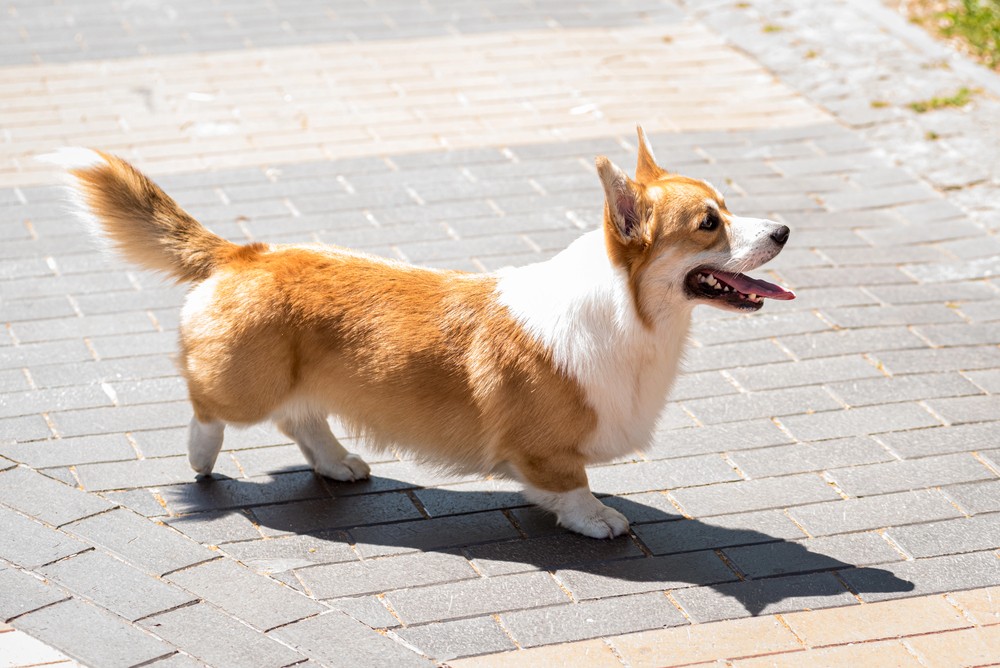

Backing is one of those skills that many teams avoid. It feels awkward and sticky. Sometimes it feels like your dog understands everything except this one thing. If that sounds familiar, you are not alone.
Backing is not just about getting your dog to move backward. It is about building powerful, controlled, confident movement that connects to pivots, heelwork, and Rally performance. Clean backing does not begin with stepping backward. It begins with rear-end awareness.
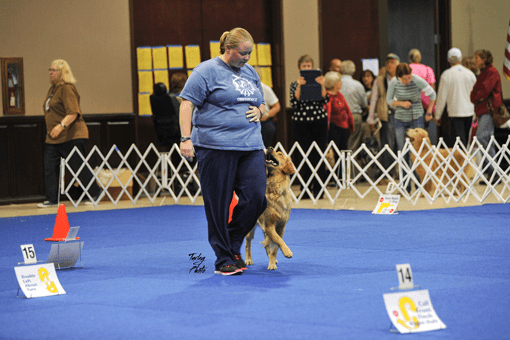
Rally foundations training usually becomes a hot topic when teams start feeling frustrated, stuck, or caught off guard by how hard rally suddenly feels. A lot of handlers start rally excited and confident, especially when early training goes well. Then something shifts. Courses feel tighter, dogs lose focus, heeling position drifts, and confidence dips.
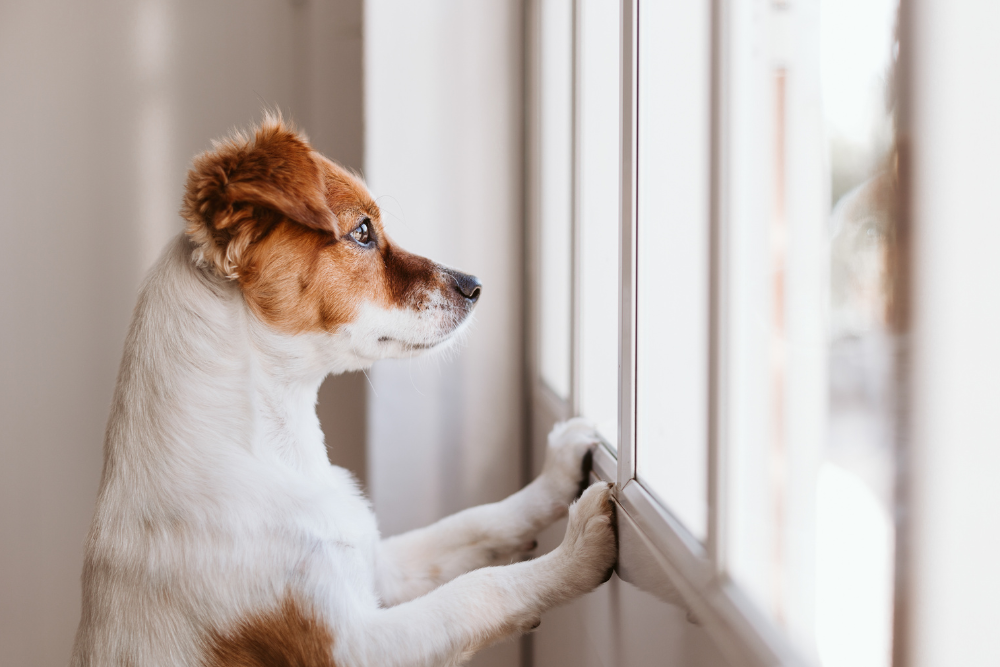
Canine frustration and FOMO are often misunderstood as attention-seeking behavior or "poor impulse control." Dogs bark, whine, pace, or struggle to wait their turn, and they're quickly labeled as impatient, dramatic, or just trying to get what they want. A common response is to ignore the behavior and hope it fades over time.
But what's often missed is that FOMO isn't just a behavior problem. It's an emotional experience. And when frustration is frequent, intense, or happens day after day, it can affect more than what you see on the outside. It can influence a dog's overall well-being, their ability to learn, and their quality of life.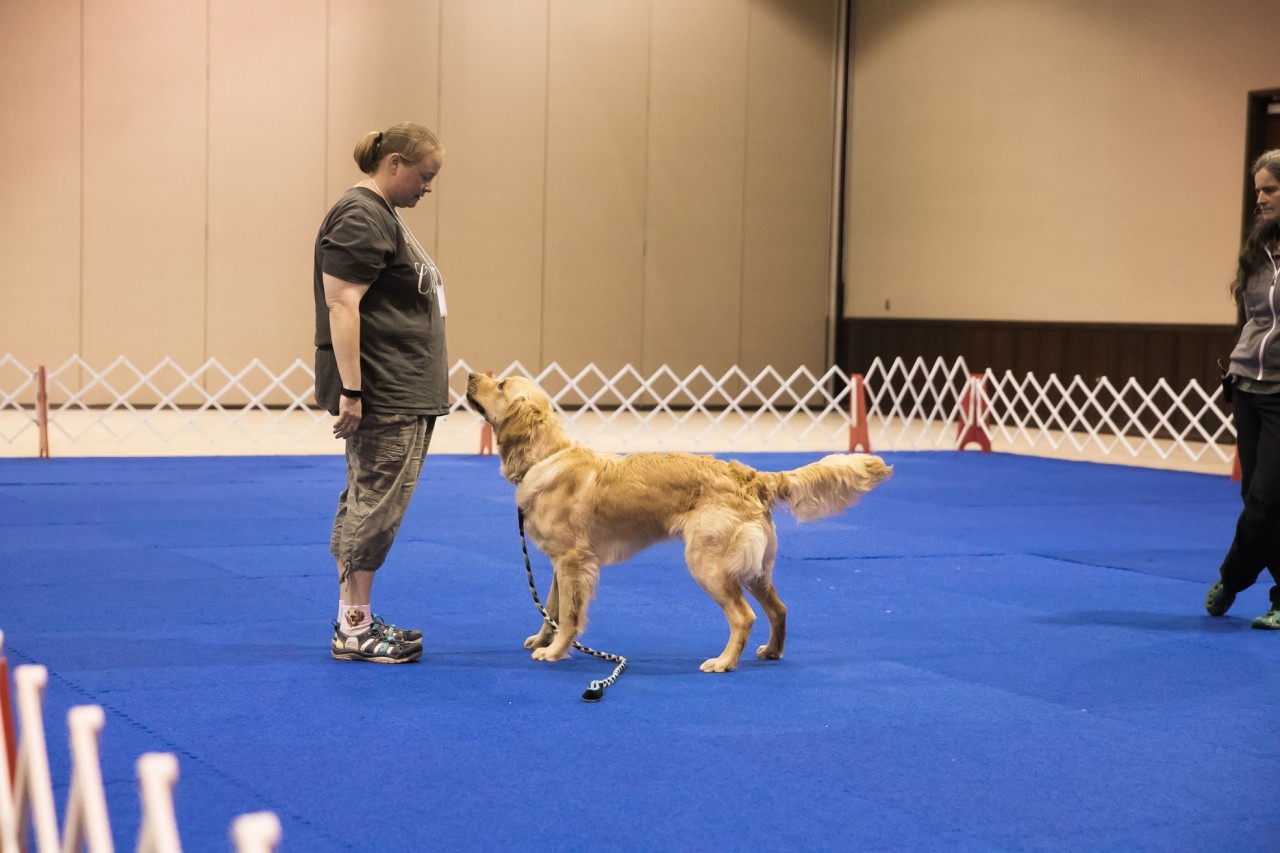
It's common to ask, "Does my dog understand the cue?" — especially when a dog performs a behavior perfectly at home but struggles anywhere else. Often, we assume our dogs have a deeper understanding of a behavior than they actually do. When a dog can't perform a cue to criteria, it usually means a building block in the training process was skipped, not that the dog is being stubborn or uncooperative.

If you're working on heelwork, you're going to encounter mistakes. Crooked sits, forging, lagging, loss of attention — they're all part of the process. The key to handling heeling mistakes is recognizing that errors aren't failure; they're feedback. When a dog makes a mistake during heeling, it usually means the criteria were too high, the environment too challenging, or the dog wasn't prepared for that level of difficulty.
Instead of pushing through or correcting the dog, use mistakes as information. Occasional blips are expected. But if mistakes start happening repeatedly, that's your cue to pause and reevaluate your training plan. Backing up a step or two is not a setback — it's how you build clarity.
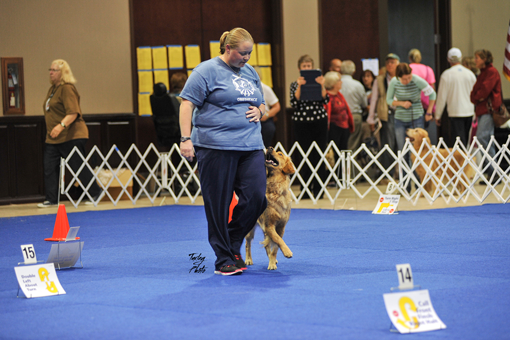
When you and your dog reach the Master level of rally, you'll face a whole new challenge: master rally signs. These signs go beyond the basics of sit, down, and heeling. They ask for precision, teamwork, and independence all at once. For many teams, this level is where rally really gets exciting—but it can also feel a bit intimidating. The good news is that with the right training plan, you and your dog can tackle these signs with confidence and even have a lot of fun along the way.
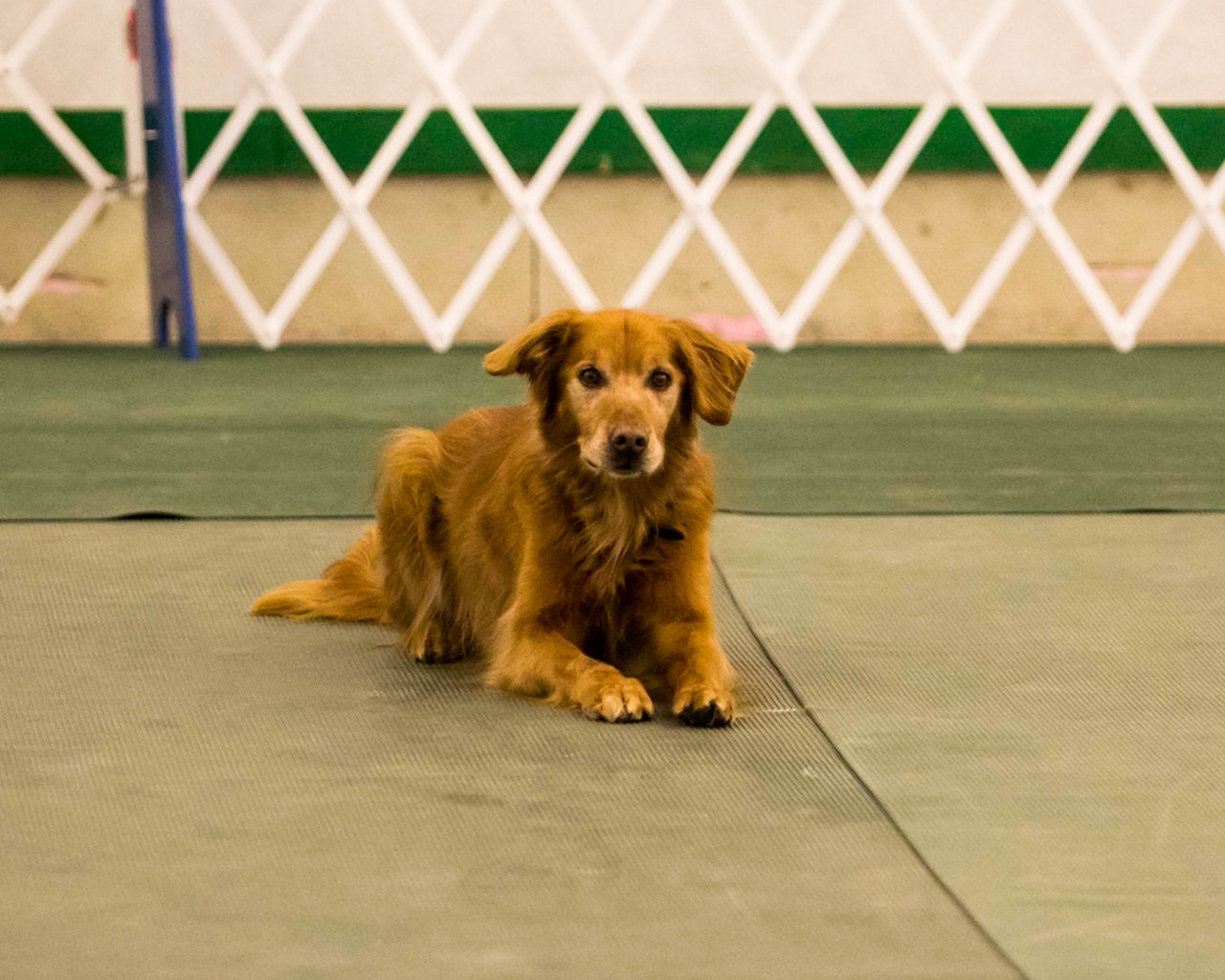
Using props for stays isn't required, but it can be incredibly helpful when you're first introducing the concept of stillness. Props provide structure, give dogs a clear physical boundary, and act as reminders to hold position. From platforms to gates and stations, the right prop can make teaching stays easier, clearer, and more effective.
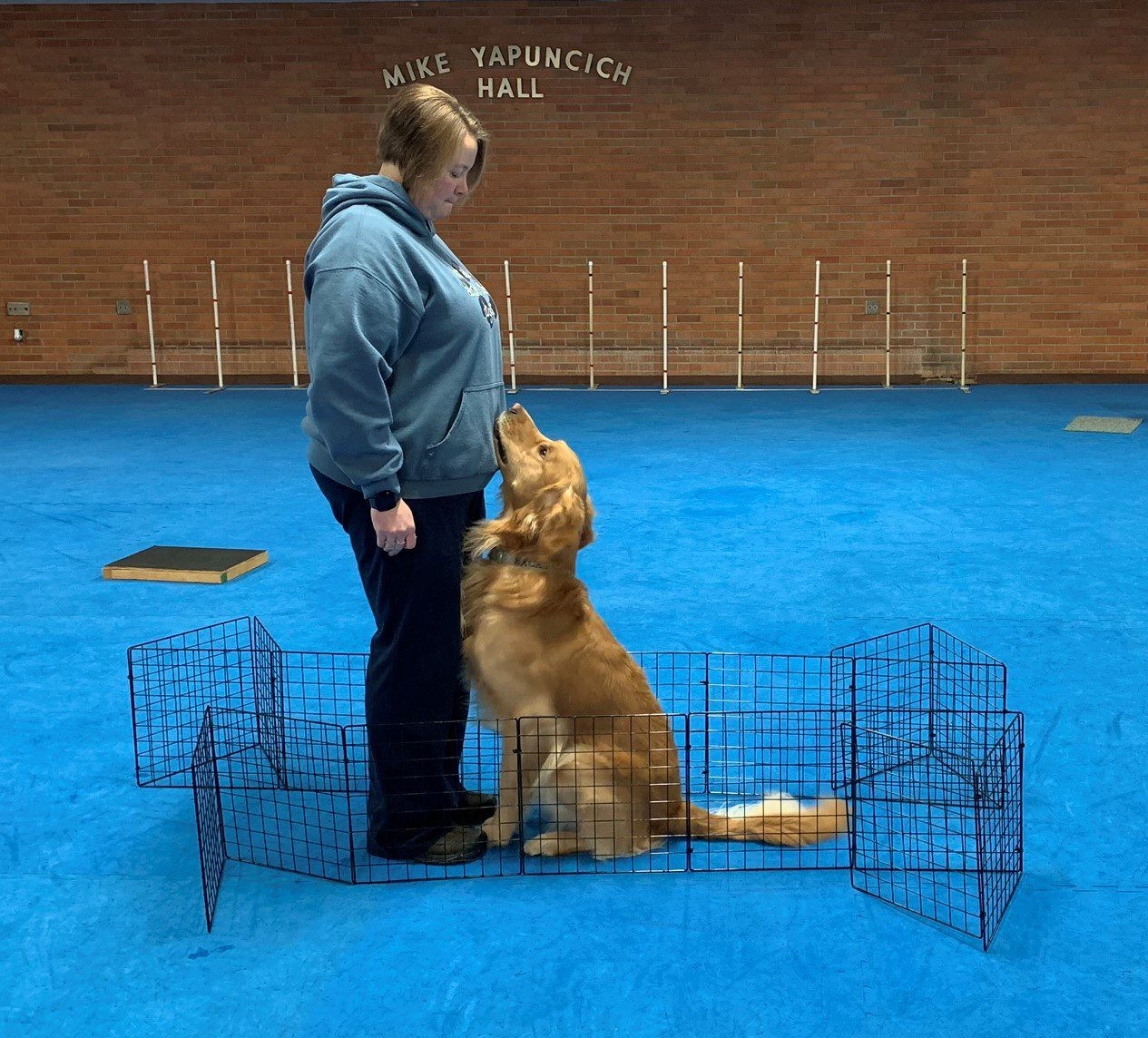
When it comes to teaching Rally behaviors, props can make a huge difference in both how quickly your dog learns and how cleanly they perform the skills. Whether you're introducing something new or polishing an existing behavior, the right prop provides clarity, precision, and support for both dog and handler.
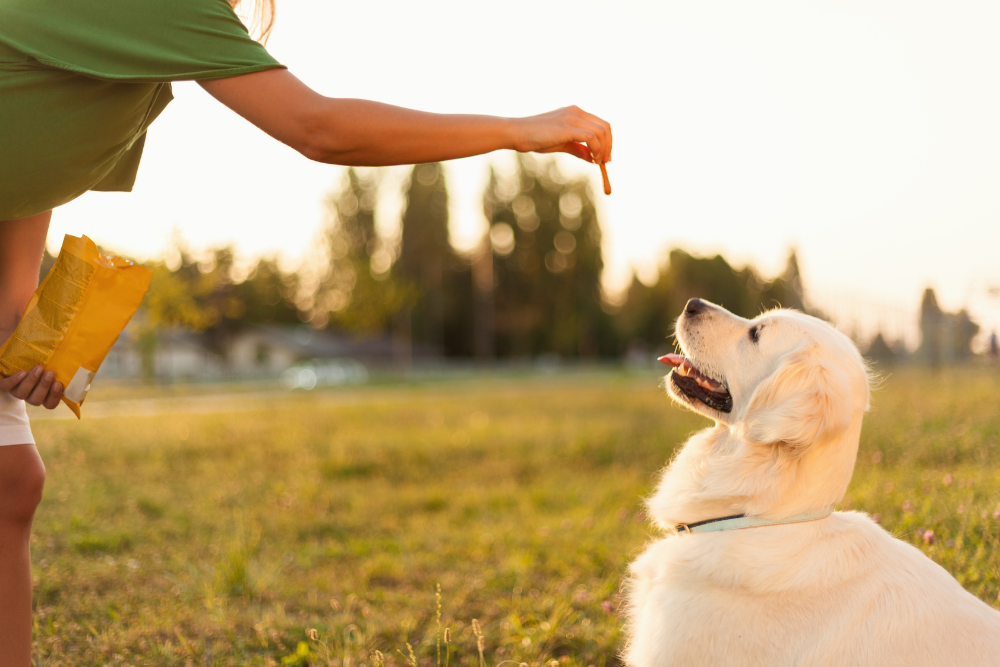
You've put in the time. You've taught your dog how to sit, down, stay, come when called—maybe even a few fun tricks. At home, everything looks great. Your dog responds eagerly, watches you closely, and seems to love training time. But the moment you step outside or walk into a more distracting space, things start to fall apart. Suddenly, you're back to waving food in front of their face, digging for a cookie, or repeating cues as your dog's focus drifts.
If this sounds familiar, you're not alone. And no, your dog isn't being stubborn. They're simply not yet equipped to handle the real world.
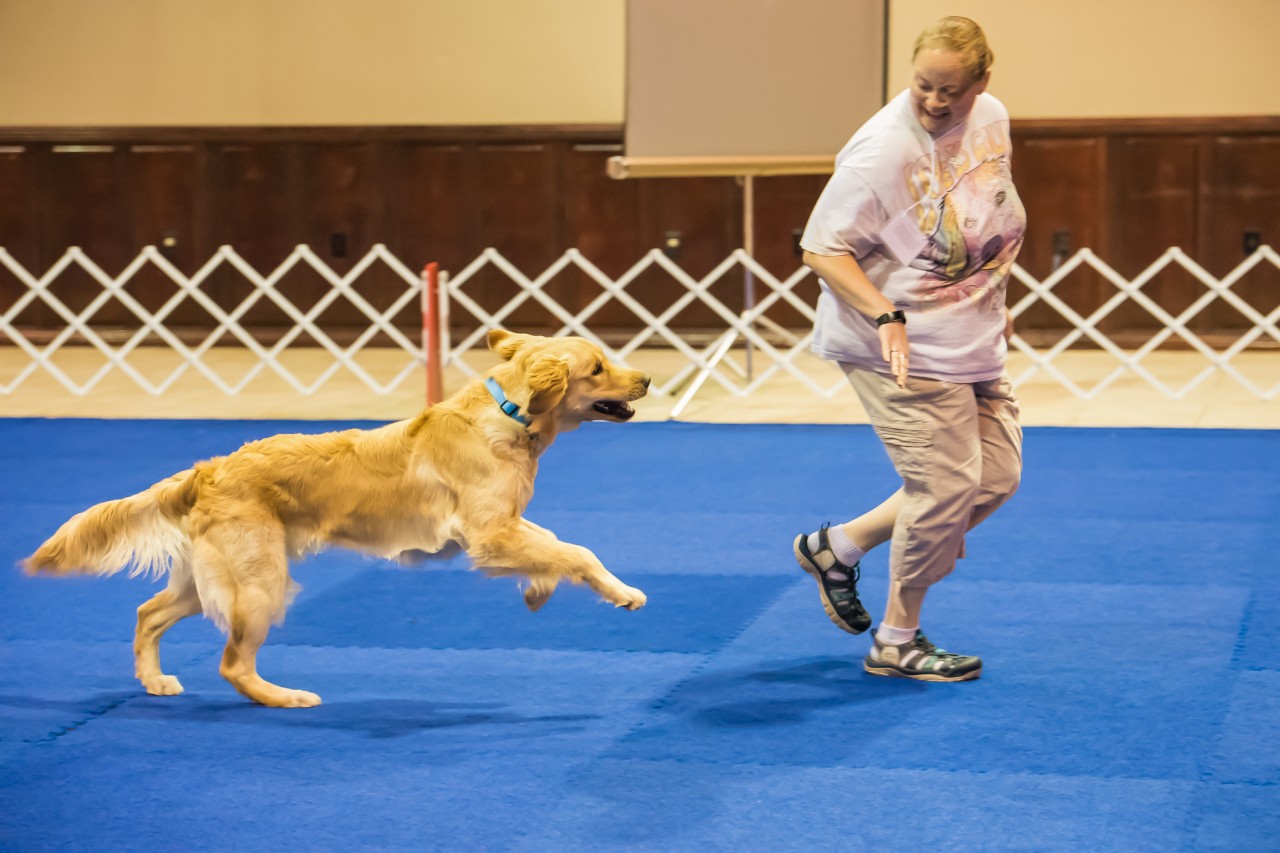
Why Reward Placement Matters: When a dog receives reinforcement, they're likely to repeat not only the behavior they were doing, but also the position they were in and where they were looking when the reward arrived. In heeling, this means that if you feed your dog out in front or with their head turned, you're unintentionally reinforcing forging or crookedness. On the other hand, if you carefully place rewards right at your left pant seam, you help reinforce a dog that is in heel position, focused upward and back, engaged and aligned. Reward placement is shaping—without even asking for more effort.
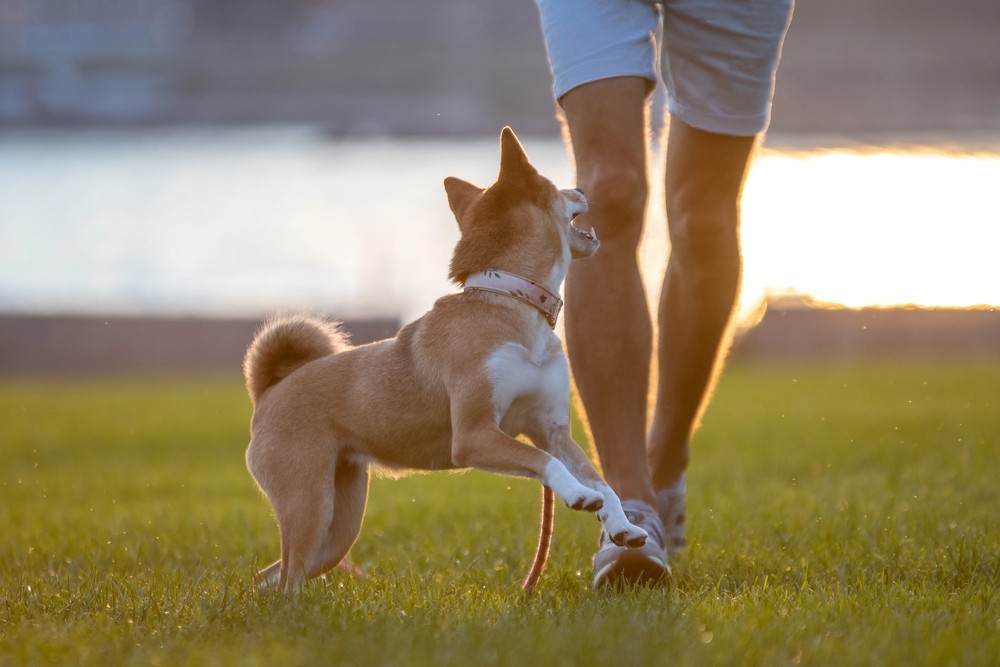
If you've ever walked into a Rally ring and felt like your dog wasn't quite with you, you're not alone. Connection is one of the most important—and often overlooked—skills in Rally. Without it, everything feels harder. With it, everything flows.
In Rally, connection isn't just nice to have—it's essential. It affects the quality of your heeling, the accuracy of your signs, and your overall performance as a team. So how do we build and maintain that connection throughout an entire course?
Let's take a closer look.

Dog show nerves are real! As much as we tell ourselves that it's all about having fun, we still want our dogs to perform well. After all, we've put in countless hours of training and preparation, not to mention the financial investment. It's completely normal to feel a little nervous before stepping into the ring—but with the right preparation, you can keep those nerves in check and enjoy the experience.
Here are some of my favorite tips to help you and your dog feel confident, calm, and ready to shine in the ring!

Dog training success happens when dogs are set up to learn in a way that builds their confidence and understanding. When training is designed to maximize success, dogs learn faster, stay engaged, and enjoy the process. My goal is to structure training sessions so that my dog wins as often as possible—practicing correct behaviors rather than rehearsing mistakes.
Of course, training won't always go perfectly, but by carefully reading our dogs and adjusting our approach, we can create an environment where learning is both effective and fun.

Adding a second dog to FOMO (fear of missing out) training is no easy task. It requires patience, consistency, and careful attention to your dog's emotional state. One key part of overcoming FOMO is ensuring your dog has solid stationing skills before introducing any distractions. Once your dog is comfortable staying in one spot and can handle being left alone without anxiety, you can begin incorporating a second dog into the training session.

If you're involved in dog sports or looking to strengthen your bond with your dog, rally training might be the perfect fit. Whether you're dreaming of agility titles, excelling in obedience competitions, or simply wanting a well-behaved pet, rally training lays a solid foundation for achieving your goals. Let's explore why this versatile sport is beneficial for every dog and handler team—regardless of their goals and aspirations.

Maintaining a strong connection with your dog during training is essential for success, but even the best-behaved dogs can lose focus. Sometimes, the reasons are obvious—a loud noise or a tempting scent—but other times, disconnection feels like a mystery. No matter the cause, identifying why your dog is disengaging is the first step toward finding a solution.
Throughout this blog, we'll explore the most common reasons dogs disconnect and actionable strategies to address each issue. These topics will be explored in my upcoming class, Connect and Engage with Games: Build Focus for Sports Dogs. Through the class, we'll dive even deeper into these challenges, equipping you with games and tools to keep your dog engaged and focused.

The AKC Rally Master Class brings exciting challenges, testing the handler and dog with intricate maneuvers, distractions, and complex behaviors. For many teams, the key to success is building the dog's confidence to handle the complexity and maintain focus in the ring. A confident dog is a focused and eager teammate, ready to tackle every sign enthusiastically. Let's explore how to build and sustain that confidence in your dog.

You've likely heard the saying, "An ounce of prevention is worth a pound of cure," and it couldn't be truer when it comes to preventing FOMO (Fear of Missing Out) in dogs! Once a dog develops strong feelings about being left out—whether it's during training or playtime—it can become challenging to manage.
Whether you're raising a young puppy or addressing FOMO with an older dog, the key to success is consistency. You can't expect progress if you address FOMO inconsistently while allowing barking and restless behavior at other times. Follow these practical tips to keep your dog content and anxiety-free.
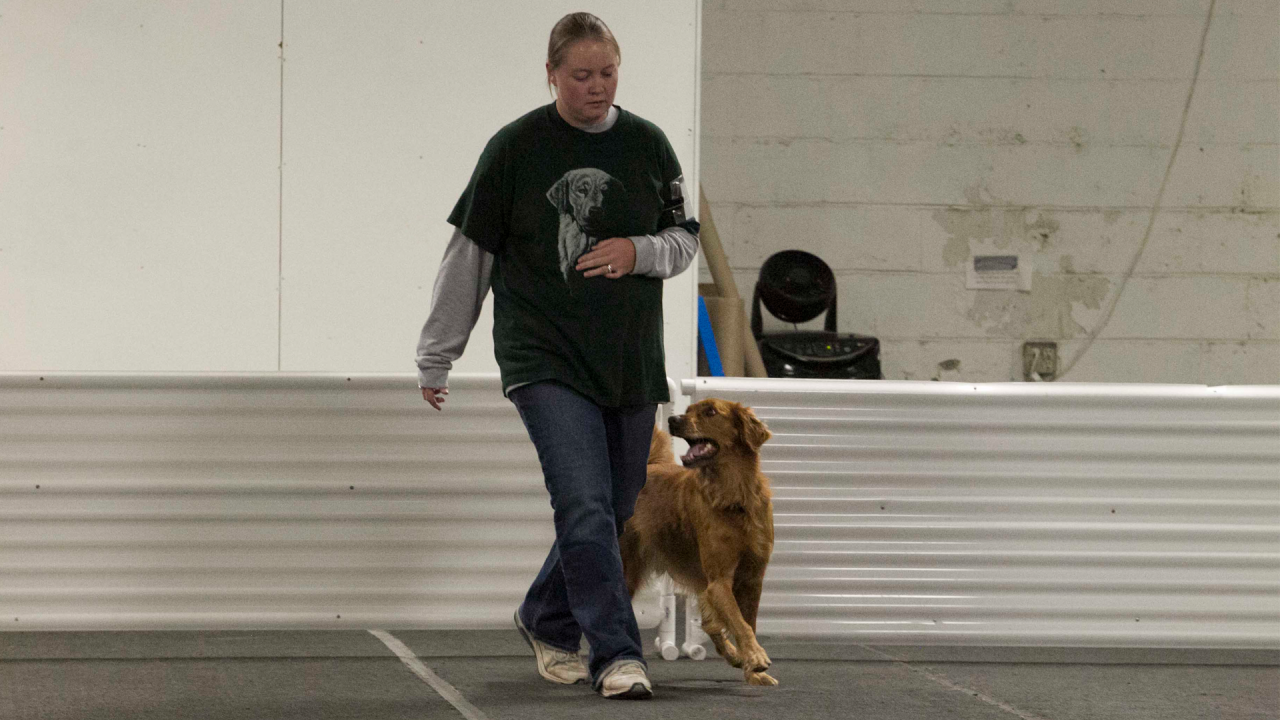
In rally obedience, the "around" behavior is one of the most frequently used skills, second only to heeling. It is most commonly seen in the right finish, but many other signs also incorporate the dog circling the handler. Teaching around as a solid behavior will be a valuable investment as you and your dog progress through the rally levels.
When competing in higher-level events, having a speedy and reliable around behavior is crucial. Dogs that circle their handlers slowly lose precious time on this one move. By incorporating games and exercises that focus on speeding up your dog's around, you can enhance their performance in the ring.

Effective dog training techniques for success are all about building your dog's confidence through small victories. When your dog experiences consistent success, they become more motivated, eager to learn, and confident. Achieving these small wins makes training feel rewarding for both you and your dog. Our goal should always be to train in a way that sets our dogs up for success and ensures they know how to "win" during each session.
While perfection isn't always possible, rehearsing correct behaviors as often as we can is key to developing a solid foundation. By learning to read your dog's abilities and responding to them, you can ensure each training session is a productive one.