
Petra Ford, Faculty
Main info
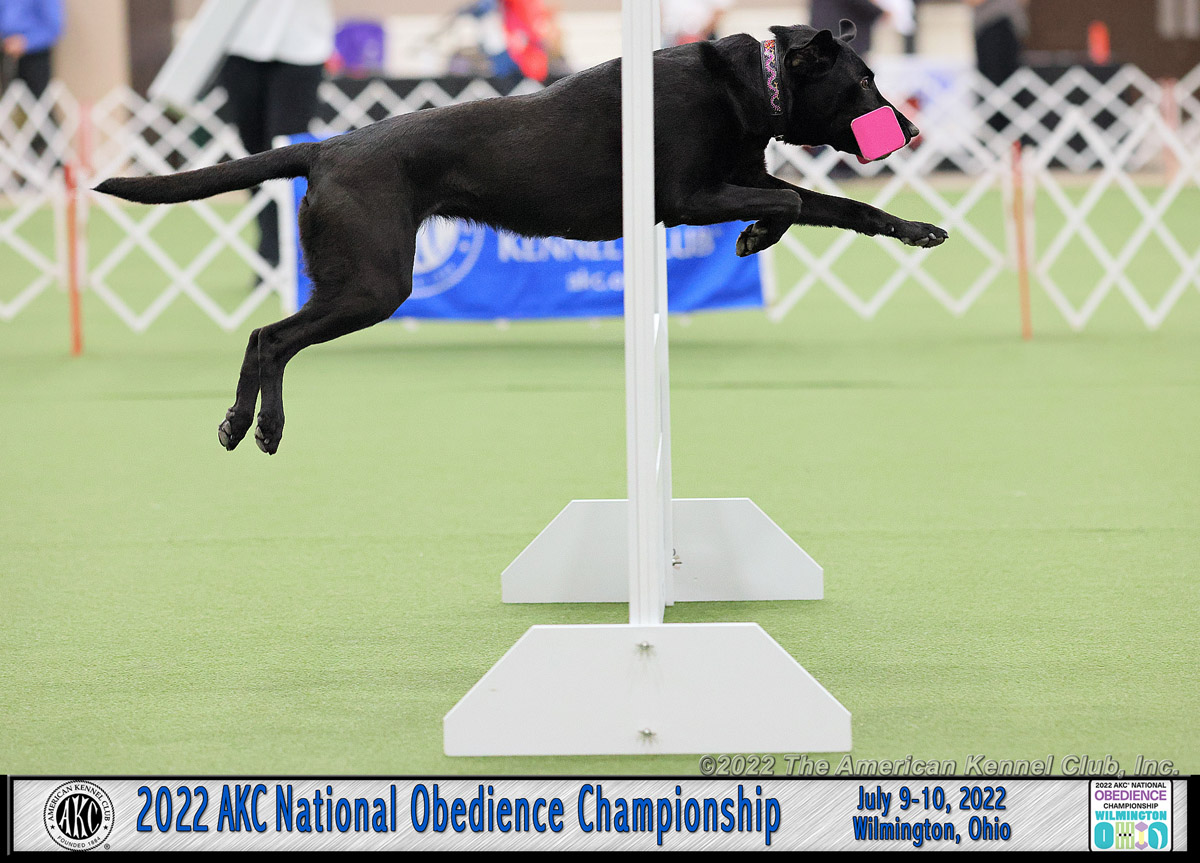
I have been training and competing for several decades in a variety of sports including Hunt Tests, Field Trials, Nosework, Agility and Rally. My first love has always been competition obedience. I have been fortunate to win the AKC National Obedience Championship four times with three different dogs. All my dogs have earned placements at Nationals. My dog Tyler won the World Cup and was First-Runner Up. All my current dogs have earned OTCH’s, multiple High-In-Trial and High-Combined awards, wins and placements at Regionals, as well as numerous perfect 200 scores.
I find training endlessly fascinating. Figuring out how to be a better communicator with each of my dogs is a never-ending challenge that I whole heartedly embrace. I love solving training puzzles. It’s what has kept me in the sport for so many years. I especially love the incredible relationship developed with my dogs through training and competition.
Although not currently practicing, I am a Physical Therapist and a Canine Rehabilitation Therapist. These days I’m an instructor at FDSA and own a Boarding Kennel. I’m passionate about teaching and sharing what I have learned over the years. Watching students grow and succeed is incredibly rewarding.
In my spare time I love hiking and playing with the dogs, running, practicing yoga, meditating and spending time with friends. I enjoy writing blogs and working with my friend Laurie on our Canine Connection Podcast.
Petra Ford's current and upcoming courses
OB365 Open Obedience Putting the Pieces Together
Open IS fun!! In this class, I deconstruct all the exercises into manageable pieces. Each piece is taught and maintained like a trick. This makes the exercises accessible for us and the dogs. Your dogs will understand the exercises and perform them with joy and energy. As we put the pieces together, we will maintain that light attitude. We will use backward chaining and forward chaining to pull the exercises together. All while maintaining the quality of the pieces that make up the chain. This approach makes it easy to problem solve and “fix” pieces within an exercise.
We will look at games that teach dogs how to handle pressure in a positive way. We will also look at games that maintain drive, especially for behaviors that are in the middle of the chain.

FF225 Energized Engagement
Engagement is the most challenging skill to achieve in dog training. It’s also easily the most important. An engaged dog is actively involved in the learning process and pushing you for more. When a dog is offering engagement, the environment fades away and all their focus is on you. No more begging or bribing our dogs for attention. Establishing a strong foundation for engagement sets you up for future success both when training and trialing. In this class we will cover acclimation, how to teach your dog to offer engagement, what to do when we lose engagement, and how to best utilize our reinforcers. We will look at how to maintain engagement when the dog is in front of us, next to us and away from us.

